Practice Focus on the Capital Side
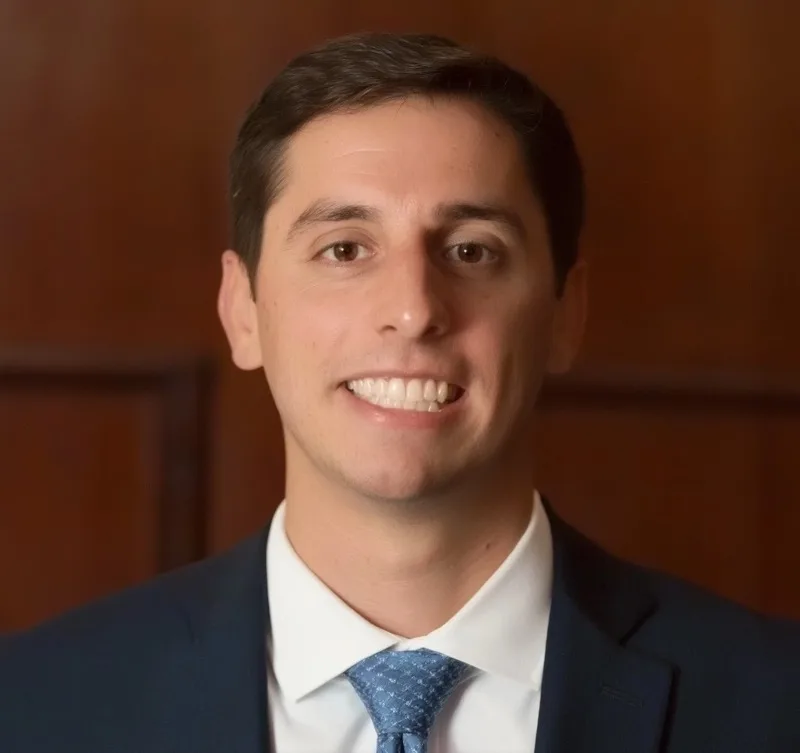
Patrick is the partner most founders, sponsors, and venture studios engage for transactional and intellectual-property work. The combination of a graduate scientific background, USPTO patent-attorney registration under 37 C.F.R. § 11.6(a), and venture-formation transactional practice produces a relatively unusual fluency: the same lawyer drafting the IP-assignment language in a Founder Stock Purchase Agreement is qualified to prepare and prosecute the underlying patent application before the United States Patent and Trademark Office.
What Founders, Sponsors, and Studios Engage Patrick For
- Entity formation and capital structure. Delaware C-corporation formation with the corporate record investors will diligence; LLC formation under the Delaware Limited Liability Company Act, 6 Del. C. §§ 18-101 et seq., where pass-through treatment fits the business; statutory conversion to a Delaware C-corp under 8 Del. C. § 265 when the business is preparing to raise institutional equity.
- Founder equity and 83(b) discipline. Founder Stock Purchase Agreements with vesting and IP assignment, 83(b) elections filed inside the 30-day statutory window under 26 U.S.C. § 83(b), equity incentive plan adoption, and option-pool sizing aligned with the next priced round.
- QSBS and tax-aware structuring. Setup designed to preserve qualified small business stock treatment under 26 U.S.C. § 1202, including coordination with tax counsel on the active-business test under Section 1202(e), the gross-asset cap, the rollover provision under Section 1045, and Section 1244 ordinary-loss treatment for the downside case.
- Financings. Post-money SAFE issuances, convertible notes, and seed/Series A priced rounds on NVCA model documents. Form D filings under 17 C.F.R. § 230.503, Rule 506(b) and 506(c) compliance, and Rule 701 (17 C.F.R. § 230.701) discipline for compensatory grants.
- Intellectual property: the asset. Patent preparation and prosecution before the USPTO; trademark clearance and federal registration; IP assignment instruments and PIIA templates; work-for-hire structuring under 17 U.S.C. § 101; open-source license compliance review.
- Studio engagement structuring. Services agreements with defined sunset, studio equity issuance with milestone-based vesting, and IP assignment that survives downstream financing diligence.
- Commercial and licensing. Customer agreements, MSAs, software and SaaS licensing, technology licensing inbound and outbound, and the recurring contract package a venture-stage company actually runs on.
Background
Patrick earned his Juris Doctor on a full merit scholarship from the Maurice A. Deane School of Law at Hofstra University, where he served as an editor of the Journal of International Business and Law and contributed to scholarship on cross-border commercial issues and international intellectual property law. Before law school, he earned a Master of Arts in Biological Sciences and a Bachelor of Arts from Binghamton University. The graduate scientific training is integral to his patent practice and to his ability to translate complex technical subject matter into precise legal claims.
Patrick is a registered patent attorney before the United States Patent and Trademark Office under 37 C.F.R. § 11.6(a). The registration authorizes him to prepare and prosecute patent applications before the USPTO and to advise clients on patent-related matters. He is a co-founding partner of Rausa Russo Law, PLLC.
Admissions
- New York
- Washington
- U.S. District Court for the Southern District of New York
- U.S. District Court for the Northern District of New York
- U.S. District Court for the Eastern District of New York
- Registered Patent Attorney, United States Patent and Trademark Office
Education
- Juris Doctor (Merit Scholar), Maurice A. Deane School of Law at Hofstra University
- Master of Arts in Biological Sciences, Binghamton University
- Bachelor of Arts, Binghamton University